3 hr
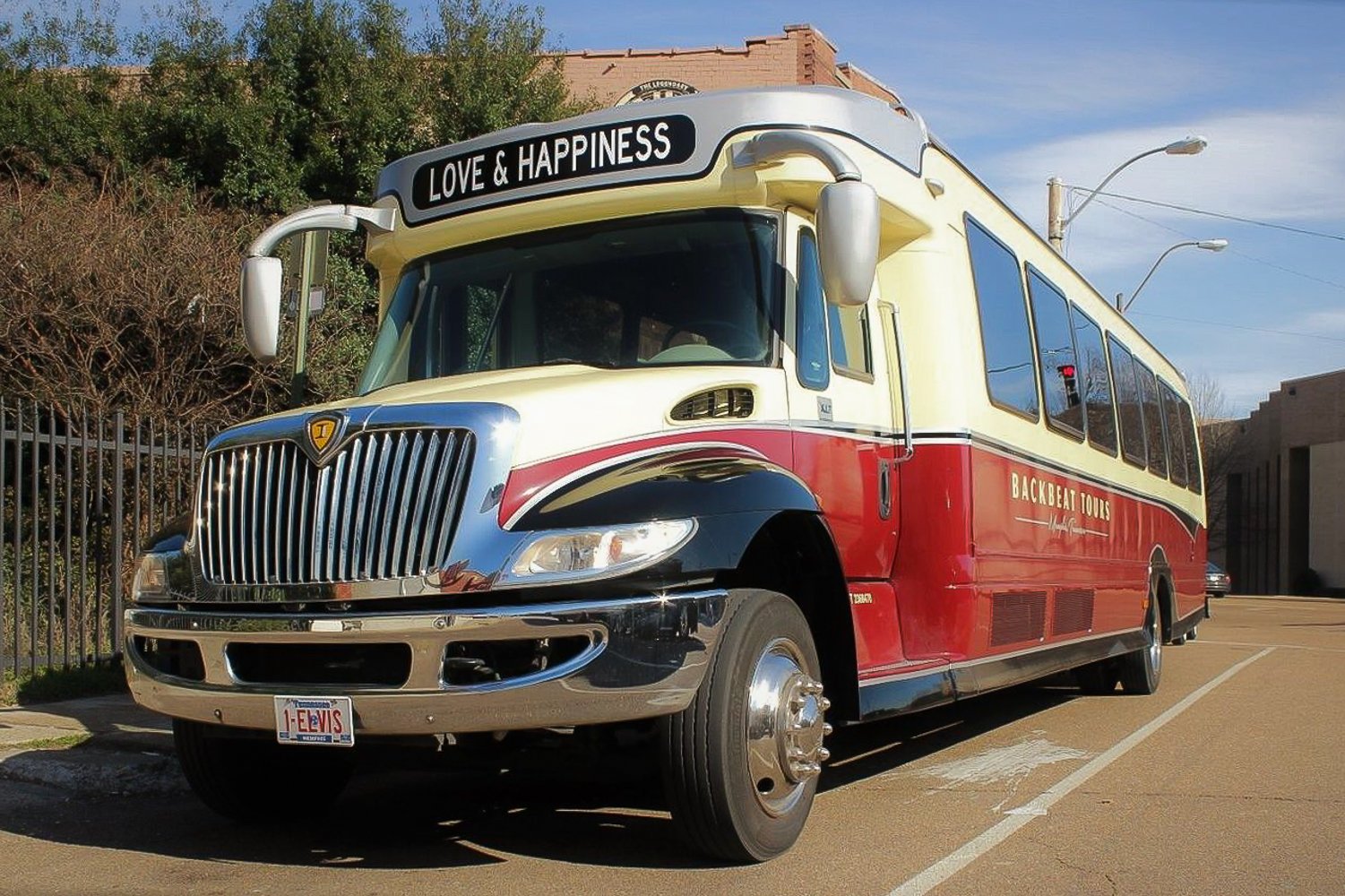
Memphis Music History Bus Tour with Sun Studio Visit
Journey through the birthplace of blues, rock, and soul with live music, legendary landmarks, and Sun Studio access.
Reserve
Hand-picked by our editors — only the best 5 experiences from 12 reviewed.
Verified partners for every tour, free cancellation where available, and instant confirmation on every booking.
3 hr
Journey through the birthplace of blues, rock, and soul with live music, legendary landmarks, and Sun Studio access.
Reserve
2 hr
Discover the legendary home of soul music in Memphis with exhibits, artifacts, and a historic studio replica
Reserve
2 hr
Explore the heart of Memphis on a guided coach tour featuring music history, civil rights landmarks, and Southern charm
ReservePrices from verified partners. Availability updates in real time at checkout. Free cancellation policies apply where shown.
The landmarks, rooms, and views travelers on this tour remember — all visible on a single visit.
This exact replica of a 1950s studio features original gear used by legendary musicians. It showcases the technical precision required for classic soul recordings.
They complement each other; most visitors who do both find that the Stax Museum offers a broader soul heritage journey while Sun Studio provides an intimate glimpse into the birthplace of rock and roll memphis music studio tours tour.
| Feature | Top pick Stax Museum | Sun Studio |
|---|---|---|
Primary Focus |
Soul and Funk Heritage | Rock and Roll Origins |
Atmosphere |
Expansive Museum Environment | Intimate Recording Space |
Guided vs Self-Guided |
Self-Guided Exploration | Guided Tour Only |
Historical Era |
1950s to 1970s | 1950s |
Studio Recording Legacy |
Soul Music Production | Sun Records Sessions |
Location Significance |
926 E. McLemore Ave | 706 Union Avenue |
| See tickets → |
Verdict: Select Stax Museum for deep dives into social impact and soul icons, or book memphis music studio tours tickets at Sun Studio if you prefer a tightly focused, guided walkthrough of the legendary recording room where memphis music studio tours tours often highlight rockabilly history.
Choose your ticket, select your date, and reserve in under two minutes. Secure checkout handled by our verified partner.
Instant confirmation by email, with a mobile voucher you can save offline. No printing, no queuing at a collection desk.
Arrive at the entrance, show your voucher on your phone, and walk in. Most tickets include priority or skip-the-line access.
Practical details for your visit straight from our verified partners — hours, access, rules, and how to get there.
926 E. McLemore Ave
Main entrance lobby
Free parking is available directly adjacent to the building.
MATA bus routes serve the McLemore Avenue corridor.
Casual attire is appropriate for memphis music studio tours. Wear comfortable walking shoes to explore the exhibits.
Backpacks must be carried on the front or held at the side. Large bags may not be permitted inside the Stax Museum.
Non-commercial photography is allowed for personal use. Flash photography is prohibited inside the recording studio exhibit.
The Stax Museum provides full ramp access to all galleries. Elevators are available for multi-level sections of these Memphis music studio tours.
Families are welcome to enjoy the interactive music history displays. Strollers are permitted throughout the facility.
No food or drink is permitted inside the galleries. Please consume snacks before beginning your Stax Museum visit.
Best time to go, insider tips, nearby landmarks, and the cancellation fine print — flip through to skim what matters to you.
How crowds, weather, and events shift across the year.
Mild temperatures make walking between Memphis music studio tours locations pleasant. Crowds are moderate before the summer surge.
Small details that turn a good visit into a great one.
Arrive at 10:00 to beat the midday rush for memphis music studio tours tickets. Early access ensures a quieter experience in the studio exhibits.
Plan to arrive by 15:00 as the final admission window closes strictly at 16:00.
Non-bookable sights within a short walk — free to visit, easy to pair.
The site where rock and roll was pioneered in the 1950s.
The famous former estate of Elvis Presley in Memphis.
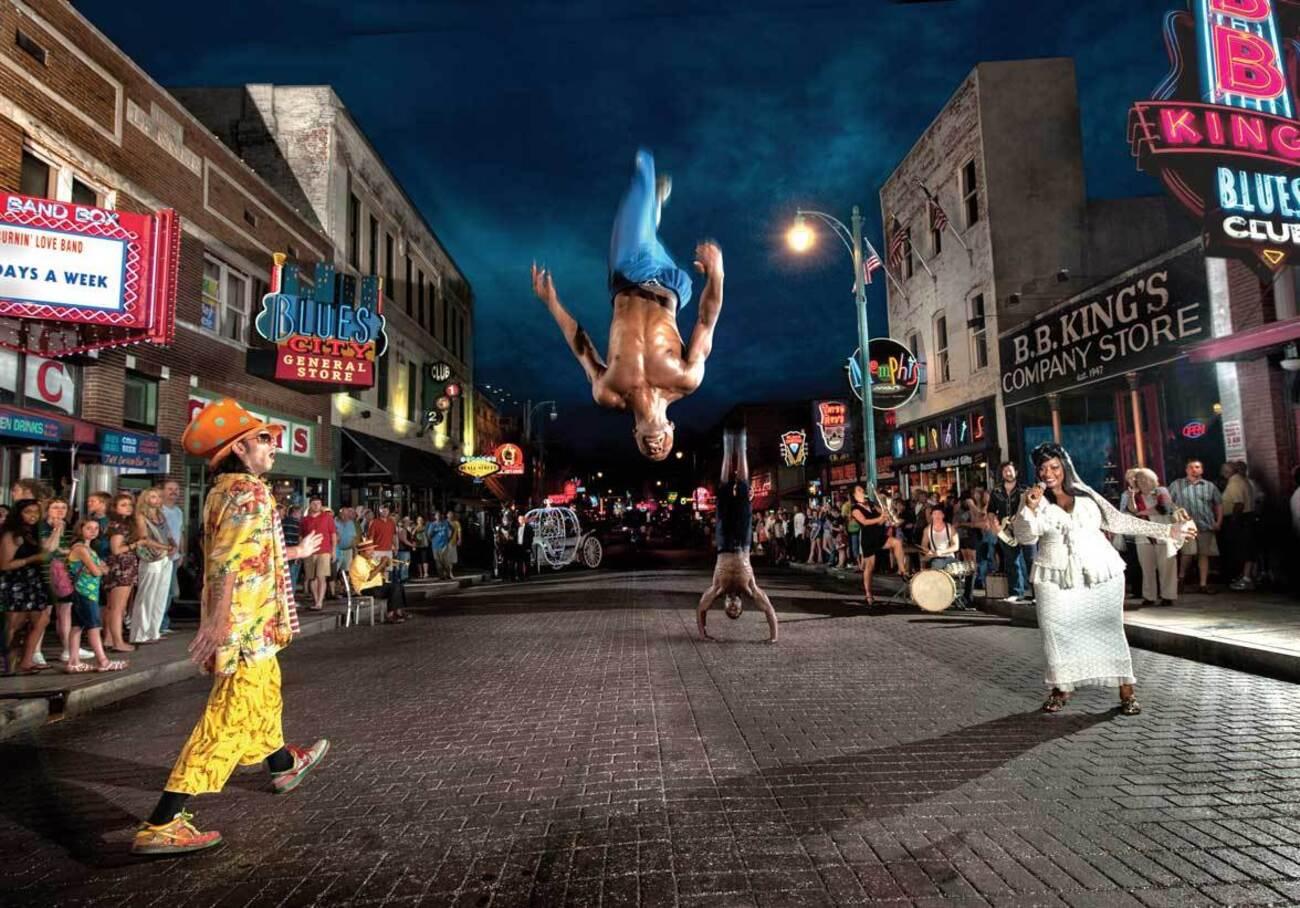
A historic district known for blues music and nightlife.
Flexible, no hidden fees.
Tickets are non-refundable. General admission is 20 USD per person.
Hand-picked options within walking distance — pick a district for vibe, or a specific hotel for convenience.
Historic hotel famous for its duck march ceremony.
Affordable lodging for those exploring city music sites.
Variety of options located near major transit routes.
The Stax Museum of American Soul Music sits on the original site of Stax Records at 926 East McLemore Avenue, where between 1957 and 1975 a converted movie theater birthed a catalog of 167 Billboard hits. Isaac Hayes recorded Hot Buttered Soul in Studio A. Otis Redding cut "(Sittin' On) The Dock of the Bay" weeks before his death. Booker T. and the M.G.'s laid down the groove that defined Memphis soul. The label's integrated house band defied segregation-era norms, and the Stax sound—raw, immediate, bass-heavy—stood in deliberate contrast to the polished Motown approach emerging from Detroit. When the original building was demolished in 1989, the neighborhood lost its cultural anchor. The museum opened in 2003 as a full-scale replica of the Stax studio, complete with the sloped auditorium floor and original control-room equipment. Today the museum preserves more than 2,000 artifacts: Isaac Hayes's 1972 peacock-blue Superfly Cadillac Eldorado, Otis Redding's stage suits, the original Studio A console where Steve Cropper and Duck Dunn engineered the Stax groove. Exhibits trace the label's role in civil rights activism, the economic collapse following the King assassination, and the eventual bankruptcy that scattered the catalog. The Stax Music Academy, housed in the same complex, trains 1,500 young musicians annually in the tradition established by Rufus Thomas and Carla Thomas. Sun Studio, located at 706 Union Avenue, anchors the city's broader studio tour circuit—Elvis Presley, Johnny Cash, Jerry Lee Lewis, and B.B. King all recorded there under Sam Phillips. Heritage bus tours link Stax, Sun, Beale Street's preserved clubs, and the Lorraine Motel, weaving a narrative of how Memphis became the incubator for rock, soul, and blues. These Memphis music studio tours position visitors inside the physical spaces where American popular music pivoted, not through myth but through preserved equipment, session logs, and the acoustic signatures still audible in the original rooms. The museum operates Tuesday through Sunday from 10:00 to 17:00, with final admission at 16:00. General admission is twenty dollars. The building's exterior replicates the marquee and brick facade of the original Stax theater, a visual anchor in the Soulsville neighborhood that has seen gradual revitalization since the museum's opening. The studio floor itself is small—most sessions packed ten musicians into a space designed for seventy theater seats—and that intimacy forced the sonic proximity that defined the Stax sound. Al Bell, the label's co-owner, described the room as a place where "the music had nowhere to hide." Unlike larger commercial studios, Stax recorded live to two-track, capturing full performances in single takes. The control room's Scully tape machine and custom-built mixing board remain on display, the physical tools that translated improvisation into permanence.

"The music had nowhere to hide."
A step-by-step walkthrough of the visit — what you'll see, how long each stage takes, and the details that matter.
You arrive at the Stax Museum's replica marquee on East McLemore Avenue, the sloped theater floor visible through glass doors. Inside, you walk past Isaac Hayes's Superfly Cadillac—its custom gold-trimmed interior preserved under soft light—before entering the recreated Studio A. The room is smaller than you expected, the original floor plan maintained down to the acoustic tile and the corner where the drum kit sat during hundreds of sessions. You pause at the control-room window, the Scully tape machine and mixing board positioned exactly as Steve Cropper left them. Headphones at each exhibit play isolated tracks: Booker T.'s organ on "Green Onions," the bass line from "Soul Man," Otis Redding's vocal take on "Try a Little Tenderness." You move through the chronological galleries—Rufus and Carla Thomas's early hits, the Staple Singers' gospel roots, the label's collapse after MLK's assassination—each section anchored by original costumes, contracts, and session notes. The floor remains the original sloped auditorium surface, a reminder that this building was never purpose-built for recording. You exit through the Stax Music Academy, where students practice in rooms overlooking the same block where the original studio once stood. A Memphis music studio tour extends beyond Stax: combination tickets include Sun Studio on Union Avenue, where you stand at the microphone Elvis used in 1954, the room's natural reverb unchanged since Sam Phillips recorded "That's All Right."
The Stax Museum is open Tuesday through Sunday from 10:00–17:00. It is closed every Monday.
Booking memphis music studio tours tickets online is recommended to ensure entry. Check the official site for real-time availability.
The Stax Museum is fully wheelchair accessible. Elevators and ramps are available throughout the site.
General admission for memphis music studio tours is 20 USD per person.
Small bags are allowed but must be carried on the front or held at the side. Large luggage is not permitted inside the Stax Museum.
Personal photography is allowed, but flash is strictly prohibited during your Stax Museum tour.
Arrive at 10:00 during a weekday to enjoy the exhibits with fewer crowds. Avoid weekends for a more private experience at the Stax Museum.
There is no food or drink service inside the Stax Museum. Please plan to eat at local restaurants before your visit.
The Stax Museum is located at 926 E. McLemore Ave, Memphis, TN 38106. Parking is available on-site.